I Tried the Nurosym Device for a Month—Here’s Why It’s Changed the Way I Think About Wellbeing
Bianca Alleyne
Can we really train our nervous system?
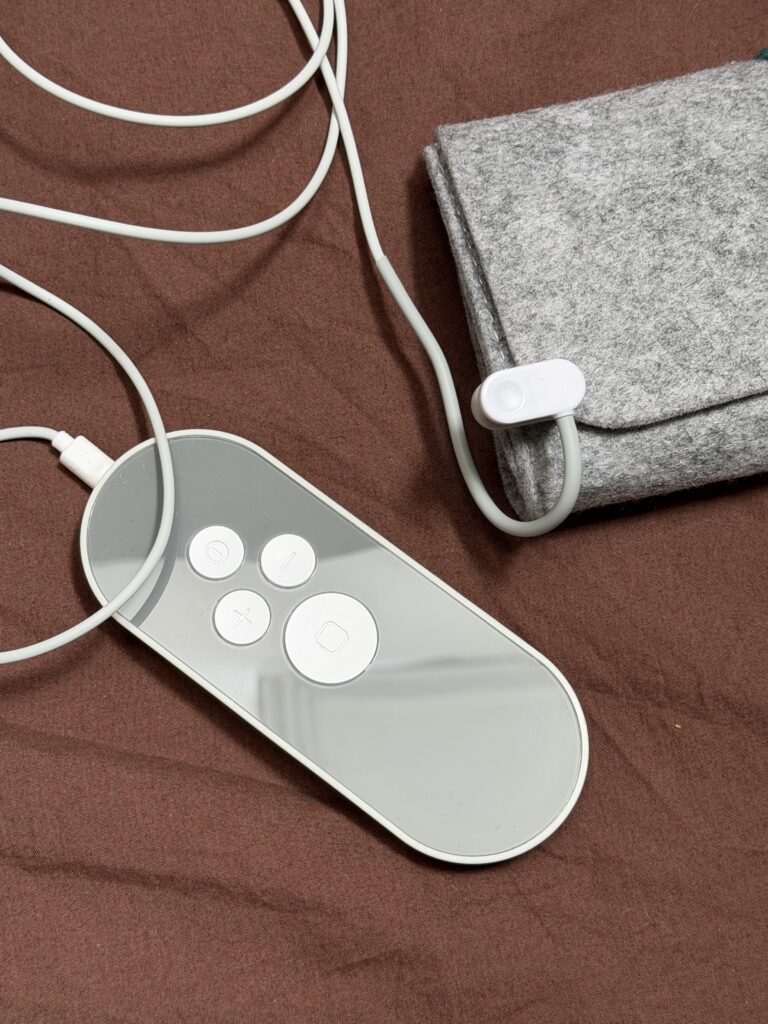
As I edge closer to 40, I’ve noticed a shift in how I think about wellness. Although I am interested in the latest supplement or fitness trend, my focus is more on longevity—small, sustainable habits that help me feel better now and, hopefully, for years to come. So when I came across Nurosym, a non-invasive neuromodulation device that stimulates the vagus nerve through the ear, I was intrigued.
If you’ve spent any time on wellness TikTok recently, you’ll know the vagus nerve is having something of a moment. It’s the longest cranial nerve in the body, connecting the brain to major organs including the heart, lungs and digestive system, and plays a key role in regulating the parasympathetic nervous system; better known as our “rest and digest” response. Nurosym uses transcutaneous auricular vagus nerve stimulation (taVNS), delivering gentle electrical impulses through the outer ear with the aim of supporting stress resilience, sleep and recovery.
The science is promising. Clinical studies have linked taVNS with improvements in heart rate variability, a recognised marker of nervous system health; as well as reductions in perceived stress and better sleep quality, although researchers agree larger, long-term studies are still needed before definitive conclusions can be made.
I used Nurosym for an hour every day for four weeks, usually first thing in the morning while answering emails, planning the day ahead or working through my ever-growing to-do list. As an editor and stylist, my days can be a constant stream of decisions, deadlines, messages and people needing something from me, so I liked the idea of starting the day by doing something that wasn’t about being more productive. The sensation itself is subtle, a gentle tingling around the ear that feels slightly strange for the first few minutes, but quickly becomes something you barely notice. Before long, it had become part of my morning routine, just like making coffee and doing my skincare. I didn’t have to carve out an hour to meditate or lie completely still; I could simply get on with my morning while, in theory, giving my nervous system a little extra support. And perhaps that was what made it so easy to stick with: it didn’t feel like another wellness task to tick off, but something I could easily incorporate into the routine I already had.
The biggest surprise for me wasn’t a dramatic change; it was the absence of one. Life remained just as busy, my inbox didn’t shrink and my to-do list certainly didn’t disappear. What did change however, was how I responded to the pace of it all. I found myself feeling less reactive, sleeping more deeply and, perhaps most noticeably, waking with a little more energy. Whether that was the device itself, the ritual of carving out an hour for myself or a combination of both, it’s difficult to say, but the difference felt tangible enough that I didn’t want to stop using it.
I wouldn’t describe Nurosym as a miracle wellness gadget, nor do I think it’s a substitute for the fundamentals: good sleep, movement and managing stress where possible. But if, like me, you’re becoming more intentional about looking after your nervous system rather than simply pushing through, it’s one of the more interesting innovations I’ve tried. As I head into my forties, I’m finding that feeling calm, rested and resilient has become far more appealing than chasing the next quick fix and perhaps, that is the biggest takeaway of all.