Sensory Retreats–The Warming Path to Better Sleep

Bianca Alleyne

We spoke with spa and wellness expert Clare Anderson about the surprising science behind heat therapy and rest—and why your evening bath might be the most underrated sleep tool you own.

There is a smidge of irony in modern wellness culture. We’ve become fluent in the language of sleep hygiene—no screens after 9pm, consistent bedtimes, blackout blinds; and yet we’ve largely overlooked one of the body’s most fundamental pre-sleep mechanisms: temperature.

Clare Anderson, founder of Sensory Retreats whose career spans decades at the forefront of the spa and wellness industry, has spent years watching what actually happens when people truly let go. And more often than not, it starts with warmth.

“Body temperature is such an important part of the sleep conversation, but it’s often overlooked,” she says. “We tend to think of sleep purely in terms of routine, but our bodies also need the right physiological cues to move into rest.”

The science, it turns out, is so simple. When the body is gently warmed, blood flow moves toward the skin, and as that heat dissipates, core temperature begins to fall. That natural drop mirrors the cooling process the body moves through in the lead-up to sleep. “That post-heat cooling response can help signal to the body that it’s time to rest,” Anderson explains. “It’s why so many people instinctively find a warm bath, sauna, or steam room calming in the evening. It creates a transition from activity into recovery.”

For many of us, the real obstacle to sleep isn’t the hour on the clock, it’s the state we’re in when we finally lie down. Exhausted, yes. But also tense, overstimulated, and mentally still mid-conversation with the day.

Anderson describes this as the “exhausted but wired” state, and it’s something she’s observed across countless spa environments. “When we’re stressed or overstimulated, it can be very difficult to think our way into relaxation,” she says. “The nervous system needs physical cues that it is safe to soften.”

This is where heat earns its place. Gentle warmth eases muscle tension, encourages slower breathing, and offers something the mind alone often can’t manufacture: a felt sense of safety and containment. “The moment someone experiences warmth, scent, darkness or gentle pressure, their whole body begins to shift,” she says. “Heat-based rituals help interrupt that wired state. Rather than demanding more effort, they create an environment where the body can naturally begin to down-regulate.”

Image Credit: Sensory Retreats

What the research tells us

The evidence base around heat and sleep is still growing, but the direction of travel is encouraging. Studies on warm bathing before bed suggest it can help people fall asleep more quickly and improve perceived sleep quality; particularly when used around one to two hours before bedtime. Research into sauna use points toward wider benefits too: improved circulation, cardiovascular wellbeing, mood, and recovery, with many people reporting better sleep as a welcome side effect.

Anderson is careful not to overclaim, mentioning that some of the sauna research remains observational, but she notes that the findings sit comfortably alongside what spa practitioners have seen for years. “Heat helps people physically unwind, mentally decompress, and create a clear ritual around recovery. That combination is incredibly valuable for modern stress and sleep issues.”

As for timing, she suggests that earlier in the evening tends to work better than immediately before bed. “The body needs time to cool down, and that cooling phase is part of what supports sleepiness. For many people, around one to two hours before bed works well.

Anderson’s perspective carries the weight of long experience. Over the past decade, she’s watched the wellness conversation shift in ways that feel genuinely significant. Where self-care was once framed around indulgence and beauty, today’s spa clients are seeking something quieter and more sustaining.

“People are now looking for recovery, regulation and emotional restoration,” she says. “They want to feel calmer, sleep better, manage stress, and recover from the demands of everyday life.” The spa industry, she reflects, has always understood the power of touch, warmth, scent and ritual, but now clients understand it too. “They understand that the nervous system needs care. They understand that rest is not a luxury. That shift is really exciting.”

It also means that for people struggling with stress-related sleep, the spa experience offers something that goes beyond treatment. “Spa rituals are transitions,” she says. “They give the body permission to move from doing into being.”
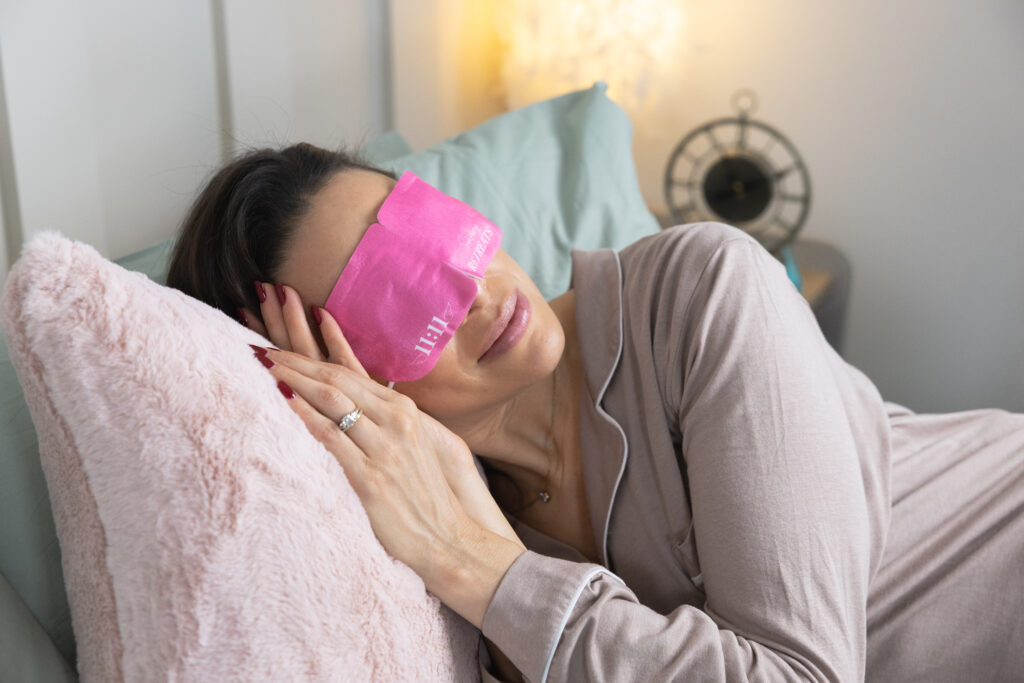
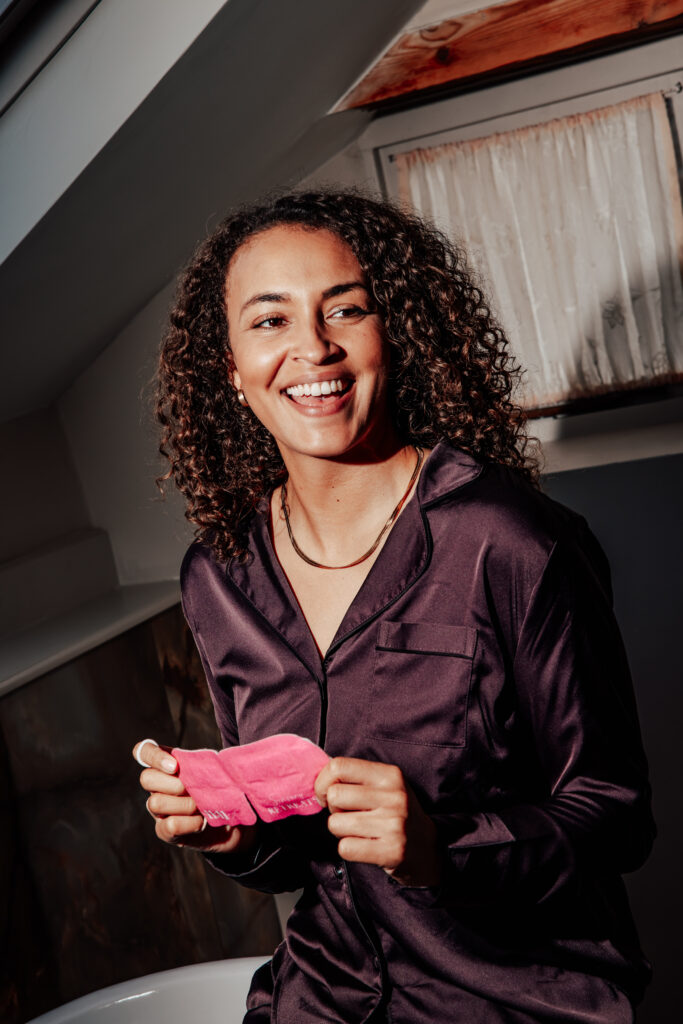
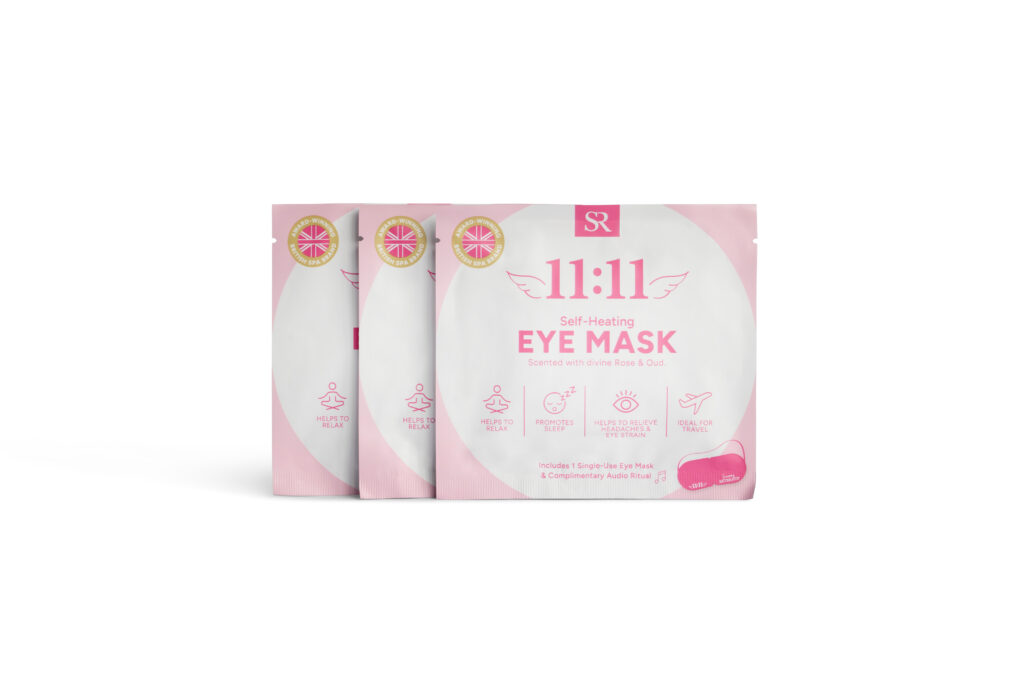
Self-Heating Eye Masks – Sensory Retreats

Doing it for yourself

You don’t need a spa membership to access these benefits. Anderson is warm on this point, some of the most effective rituals, she says, are also the simplest. A warm bath or shower in the evening. Feet in a bowl of warm water. A heated eye mask, which combines warmth, darkness, and stillness in one small, gentle gesture.

Her advice is to think in terms of a “closing ritual”—something consistent and uncomplicated that tells the body the day is ending. “Dim the lights, put your phone down, use warmth in some form, introduce a calming scent, and give yourself five uninterrupted minutes. The real benefit comes from consistency, teaching the body that this small ritual means it’s safe to rest.”

She does, though, offer a gentle caution for those tempted to push harder. “One of the biggest mistakes is thinking more is always better. Heat therapy should feel supportive, not punishing. If you feel overheated, lightheaded or stimulated afterwards, it may be too hot, too long, or too close to bedtime.” Hydration matters too, especially with saunas and steam rooms, it’s easy to underestimate how much fluid the body loses, leaving you depleted rather than restored. And for anyone who is pregnant, has cardiovascular concerns, or is managing a medical condition, a conversation with a doctor before using intense heat therapies is always wise.

Share This Story

Facebook
Twitter
Email
Pinterest
WhatsApp